
Add Row
Add Element
cropper
update
NJ Remodel Guide
update
Add Element
  • Home
  • Categories
    • Remodel Playbook
    • Local Pros
    • Design Dreams
    • Eco Living
    • Toolbox Talk
    • Smart Spend
    • DIY Lab
    • Trend Watch
    • Maintenance Matters
April 04.2025
3 Minutes Read

Essential Ice Damming Prevention Tips for Homeowners

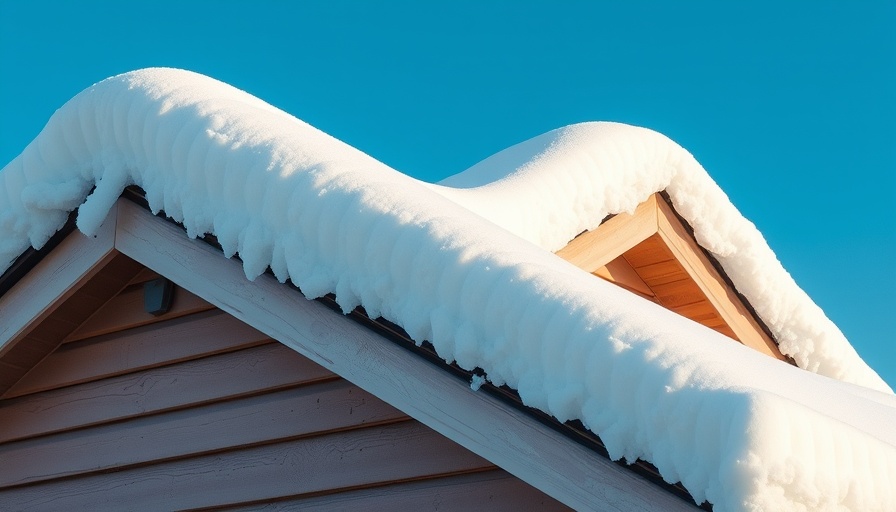
Roof snow accumulation highlighting ice damming prevention.


Understanding Ice Damming: A Homeowner’s Concern

As the winter months roll in, the picturesque scenes of snow-covered homes can quickly turn into homeowners’ nightmares, particularly when it comes to ice damming prevention. An ice dam occurs when melting snow on your roof refreezes at the eaves, forming a barrier that prevents proper drainage. This results in water backing up under your roof, potentially leading to damaging leaks and mold growth.

The Essential Role of Insulation

Proper insulation is vital in minimizing the risk of ice dams. Heat rising from your home can melt the snow on your roof, causing it to trickle down, only to freeze when it reaches the colder edges. Ensuring your attic is adequately insulated can create a barrier against that heat loss. Different types of insulation materials, from fiberglass batts to spray foam, offer various levels of efficacy, so consider what best suits your home's structure.

Ventilation: The Unsung Hero

Good ventilation helps maintain a consistent temperature throughout your roof, which discourages the melting and refreezing cycle that leads to ice dams. Installing roof vents can significantly improve air circulation, helping to keep your roof cold enough to prevent ice buildup. For those looking for a DIY project, adding soffit vents is another impactful way to enhance airflow and fortify your defenses against ice damming.

DIY Tips to Tackle Ice Dams

Homeowners can take proactive steps to prevent ice dam formation. Regularly using a roof rake to clear excess snow can alleviate pressure and potential water backup. Additionally, identify and seal any air leaks in your attic; even the smallest gaps can lead to significant heat loss. Remember, the more snow and ice you can remove from your roof, the less likely you are to experience the damaging effects of ice damming.

When to Call the Professionals

While DIY methods can offer immediate relief, there are times when it's best to call in the experts. Professional roof inspections can identify vulnerabilities and provide tailored solutions specific to your home. Furthermore, experienced technicians can install heating cables in areas prone to ice dam formation, offering an additional layer of protection.

Why Prevention Matters

Investing in preventive measures not only saves money in repairs but also protects your home’s integrity. The cost of ice dam-related damages can far exceed the expenses associated with preventive measures. Review your homeowner’s insurance policy to ensure coverage for any ice dam-related incidents; understanding these details now can save you significant headaches later.

Recurring Questions About Ice Dams

For many homeowners, there are common queries regarding ice damming:
How often should I clear snow from my roof? Snow should be cleared after each significant snowfall.
Can my homeowner’s insurance cover ice damming? Coverage varies by policy; review the specifics carefully.
Are DIY solutions sustainable? While they help in the short term, professional solutions may provide long-lasting prevention.

Embrace a Worry-Free Winter

To enjoy all that winter has to offer without the looming threat of ice damming, it’s essential to invest in proper insulation, ventilation, and professional services. By setting your home up for success, you’ll be able to relish cozy evenings without worry. Contact ECC Roofing & Siding today for a free quote and let’s beat ice dams together!


Maintenance Matters

8 Views

0 Comments

Write A Comment

*
*
Please complete the captcha to submit your comment.
Related Posts All Posts

Understanding Asian Needle Ants: What You Need to Know

Update What Are Asian Needle Ants? Asian needle ants are small, yellow to black creatures known for their painful sting. Unlike most ants, they are unique as they tend to invade homes and yards, making them both fascinating and concerning. They originate from Asia and have been spotted in the southeastern region of the United States. Homeowners need to be aware of these pests as they can cause a ruckus if they find a way inside your living space!In the video, Asian Needle Ants are explored in detail, highlighting their behavior and management strategies, which prompted us to delve deeper into these intriguing yet pesky insects. Why Are They a Concern? While their sting is not lethal, it can hurt—a lot! It has even been compared to that of a wasp. For kids or pets, getting stung can lead to an unexpected trip to the doctor, which no one wants! It’s essential to act quickly when you spot these ants or their nests, as this could help prevent stings and discomfort. Ways to Manage Asian Needle Ants Keeping your home safe from these ants is about being smart! Start by sealing any cracks or openings around your doors and windows. Keep your yard tidy—rake up leaves and be careful not to leave food out. If you see a colony forming, it's best to call a local pest professional to ensure the problem is handled effectively. Fun Fact About Asian Needle Ants! Did you know that unlike many other ant species, Asian needle ants are not as social? They tend to be loners! This might explain why it can be easy to find one or two wandering around, but hard to locate their nest. Stay Informed! Learning more about pest control can help keep your living area safe and happy. Being aware of Asian needle ants and how to deal with them is just one step in ensuring that your home stays a comforting space!

The Importance of Replacing Shingles for a Safer Home

Update Discovering the Importance of Roof Maintenance Have you ever looked up at your roof and wondered what those old shingles are really doing up there? Well, just like your favorite toys need a little TLC to keep working perfectly, your roof needs attention, too! Over time, shingles can wear out from the weather, and this is where things can get fascinating! Every shingle replaced doesn’t just enhance the look of your home; it keeps you safe and dry!In 'Replacing Shingles', the discussion dives into the vital aspects of roof maintenance, highlighting key insights that sparked deeper analysis on our end. Why Replacing Shingles is a Big Deal When you spot curled or cracked shingles, it’s a clear sign they’re close to the end of their life. These damaged shingles can lead to leaks, which can cause endless headaches. Imagine trying to do your homework on a rainy day and finding water dripping on your desk! That’s why it’s super important to keep an eye on your roof. Regular maintenance can help save money in the long run. Timing is Everything: When Should You Replace Shingles? Ever heard of the phrase, “the sooner the better?” Well, it applies to roofs! If you notice any signs of damage or if your shingles are nearing the average lifespan, it’s time to think about replacement. This can help ensure that your house stays cozy and protected from unpredictable weather. How Technology Can Help You It might surprise you, but technology plays a role in roofing, too! There are tools that can help homeowners check the condition of their roofs without climbing up there. Some even allow you to see how your roof will look with new shingles before you make a decision. Isn’t that cool? With the right tech and a bit of planning, you can keep your home safe and looking sharp. Your Roof’s Future So, the next time you hear your parents talking about roof replacement, you’ll know it’s not just about fixing up your house. It’s about ensuring a fulfilling home environment. Remember, protecting your home is just as exciting as putting together a puzzle; each new piece makes the picture complete. So, let’s keep our roofs in top shape!

Understanding Asbestos: What Every Homeowner Should Know

Update Understanding Asbestos: What You Should Know Asbestos is a word that often raises eyebrows and sparks questions. You might have heard about it in movies, on the news, or even just during casual conversations. But what exactly is asbestos, and why is it important for us to understand it, especially in our homes?In 'Asbestos', the discussion dives into a crucial topic of health and safety, exploring key insights that sparked deeper analysis on our end. What is Asbestos? Asbestos is a group of six naturally occurring minerals that are resistant to heat and chemicals. Because of this, construction workers used it for many years in buildings, roofs, tiles, and insulation. It's a bit like a superhero for materials, helping keep homes safe from fire! The Hidden Dangers As great as it sounds, there’s a twist in the story. When asbestos fibers become airborne and are inhaled, they can cause serious health problems like lung disease or cancer. That's why it’s been banned in many places and why we need to be really careful if we ever find it in our homes. How to Handle Asbestos Safely If you think your home might have asbestos, don’t panic! The best thing you can do is to call a professional to check it out. Trying to remove it yourself can be risky. Remember, safety first! Why This Matters to You By understanding asbestos, we can protect ourselves and our loved ones from potential harm. Whether you're remodeling your home or just learning about it, having reliable information is key. Plus, knowing how to deal with it properly can save you time, money, and most importantly, your health!

Terms of Service

Privacy Policy

Core Modal Title

Sorry, no results found

You Might Find These Articles Interesting

T
Please Check Your Email
We Will Be Following Up Shortly
*
*
*