Add Row
Add Element
cropper
update
NJ Remodel Guide
update
Add Element
  • Home
  • Categories
    • Remodel Playbook
    • Local Pros
    • Design Dreams
    • Eco Living
    • Toolbox Talk
    • Smart Spend
    • DIY Lab
    • Trend Watch
    • Maintenance Matters
April 12.2025
3 Minutes Read

Essential Tips for Homeowners: When to Replace Your Roof in Southern Jersey

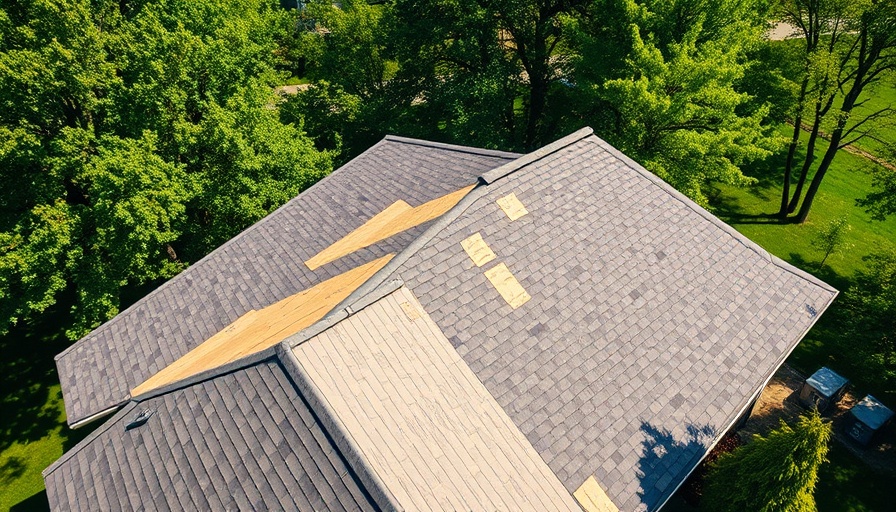
Rooftop replacement in Southern Jersey residential area.


Understanding When to Replace Your Roof in Southern Jersey

For homeowners in Southern Jersey, recognizing the right time to replace your roof is crucial. The roof is not just a protective cover but a significant part of your home’s aesthetic and structure. With constant exposure to the elements, roofs can experience wear and tear over time. Understanding the signs can help you proactively address issues before they escalate and threaten your home.

6 Warning Signs You Need A New Roof

Not all roof damage is evident at a glance, but certain telltale signs can indicate that it’s time for a replacement. Addressing these issues promptly can save time and money.

1. Age of Your Roof

If your roof is nearing its expected lifespan, it may be wise to consider replacement. Asphalt shingles typically last 15-20 years, while metal roofs can last up to 80 years. Even if you're not planning to sell your home anytime soon, investing in a new roof can save you from continuous repairs.

2. Visible Wear and Tear

Look for shingles that are cracked, curling, or missing. The presence of moss or algae can indicate moisture retention, which can lead to rotting. If granules from asphalt shingles are found in your gutters, this is another sign that your roof is on its last legs.

3. Increasing Energy Bills

A compromised roof can lead to increased energy costs. If you notice your heating and cooling bills are climbing without a change in usage, it might be time to inspect your roof for wear.

4. Damaged Flashing

Flashing is critical because it directs water away from areas like chimneys and skylights. If the flashing is damaged, water can seep in, leading to costly repairs inside your home.

5. Water Damage

Discoloration on ceilings or in the attic can be signs of leaks and water damage. This isn’t just cosmetic; mold can develop, and structural integrity may be compromised if left unchecked.

6. Sagging Roof

If you observe that your roof appears to sag, it indicates serious structural issues. This situation demands immediate attention and possibly emergency intervention.

How Long Should a Roof Last?

The life expectancy of your roof depends on the materials used. Knowing this can help you plan for future repairs or replacements. For example:

  • Ashphalt Shingles: 15–20 years

  • Clay Tiles: 50–100 years

  • Metal: 40–80 years

  • Wood Shingles & Shakes: 30–50 years

  • Slate: 50–75 years

Higher-quality materials may initially be more expensive, yet they often prove to be a better long-term investment.

Repair or Replace: Making the Right Choice

When storms or adverse weather have impacted your roof, prompt inspection is best. Minor issues, like missing shingles, can often be repaired without needing a full roof replacement. However, in cases of extensive damage or age, replacement may be the more prudent choice.

Make an Informed Decision About Your Roof

Being proactive about your roof’s maintenance can protect your home and save you money. Regular inspections, particularly after storms, can catch problems early. Don't wait until leaks start to appear; being aware today means safeguarding your home for tomorrow.

If you're uncertain about the state of your roof, enlist the help of a roofing professional for a detailed inspection. Remember, a new roof not only enhances the beauty of your home but can also improve energy efficiency and protect against the elements. Take action today, for your home deserves the best!



Maintenance Matters

1 Views

0 Comments

Write A Comment

*
*
Related Posts All Posts

Understanding Asbestos: What Every Homeowner Should Know

Update Understanding Asbestos: What You Should Know Asbestos is a word that often raises eyebrows and sparks questions. You might have heard about it in movies, on the news, or even just during casual conversations. But what exactly is asbestos, and why is it important for us to understand it, especially in our homes?In 'Asbestos', the discussion dives into a crucial topic of health and safety, exploring key insights that sparked deeper analysis on our end. What is Asbestos? Asbestos is a group of six naturally occurring minerals that are resistant to heat and chemicals. Because of this, construction workers used it for many years in buildings, roofs, tiles, and insulation. It's a bit like a superhero for materials, helping keep homes safe from fire! The Hidden Dangers As great as it sounds, there’s a twist in the story. When asbestos fibers become airborne and are inhaled, they can cause serious health problems like lung disease or cancer. That's why it’s been banned in many places and why we need to be really careful if we ever find it in our homes. How to Handle Asbestos Safely If you think your home might have asbestos, don’t panic! The best thing you can do is to call a professional to check it out. Trying to remove it yourself can be risky. Remember, safety first! Why This Matters to You By understanding asbestos, we can protect ourselves and our loved ones from potential harm. Whether you're remodeling your home or just learning about it, having reliable information is key. Plus, knowing how to deal with it properly can save you time, money, and most importantly, your health!

Essential Guide: Why Home Insurance is Like a Superhero for Your Castle

Update Understanding Home Insurance: Keeping Your Castle Safe Imagine your home is a castle, where you feel safe and sound. But what happens if a dragon (like a fire or unexpected storm) shows up knocking? That’s where home insurance swoops in like a brave knight! It’s crucial to protect your abode from unexpected mishaps.In Home Insurance, the discussion dives into the importance of safeguarding your living space, exploring key insights that sparked deeper analysis on our end. Why Home Insurance Matters Home insurance is like a superhero cape for your house. It helps cover the costs to repair or replace your home and belongings if they get damaged. Think of it this way: if something goes wrong, home insurance ensures you won’t have to rescue your piggy bank! Types of Coverage You Should Know There are different types of home insurance coverage to consider: Dwelling coverage: Protects the structure of your home. Personal property coverage: Covers your belongings like furniture and electronics. Liability coverage: Helps if someone gets hurt on your property. Choosing the right types can be tricky, just like finding the perfect video game! Ask Questions, Save Money! When shopping for home insurance, be curious like a cat! Ask your potential insurer lots of questions. You might discover discounts for things like installing smoke detectors or security systems. Saving money is just as exciting as finding treasure! In Conclusion Your home deserves the best protection, and home insurance is a big piece of that puzzle. Knowing about your options can keep your financial dragons at bay and ensure your castle stands tall!

Why the Greenworks Commercial Optimus Will Transform Your Lawn Care Experience

Update Greenworks Commercial Optimus: A Game Changer for Lawn CareGreenworks is making waves in the landscaping world with their new Commercial Optimus lineup. This innovative series promises to make life easier for homeowners, contractors, and DIY enthusiasts alike. With the growing focus on environmentally-friendly solutions, it’s no surprise that battery-powered garden tools are becoming increasingly popular. But what sets Greenworks apart from the competition?Comprehensive Solutions for Every ProfessionalDuring a recent visit to Greenworks' testing facility in White Pine, Tennessee, it became clear that they are serious about providing a complete suite of equipment for lawn care professionals. From robust mowers to powerful handheld tools, the Optimus range encapsulates everything landscaping crews need—from zero-turn mowers to chainsaws, blowers, and more. With an emphasis on performance, Greenworks seems poised to deliver what the pros demand.The Excitement of Going Gas-FreeThe company's CEO, Yin Chen, made a striking point during the presentation: switching from gas to battery is not just a healthier choice for our planet; it’s also advantageous for business. With no gas misfires or emissions to worry about, teams can focus on getting the job done effectively. It's not just a win for the environment but a big win for operation efficiency!Are There Gaps in the Greenworks Lineup?While Greenworks has made impressive strides, there are still a few gaps to fill. For example, as of recent updates, there are not any reel mowers or aerators in the lineup just yet. However, the fact that they cover a wide array of landscaping tools means most professionals will find what they need without hassle. If you’re looking for reliable equipment that’s designed to keep up with the demands of the job, Greenworks is becoming a leading choice.Why You Should Consider the Optimus LineupFor homeowners and DIY enthusiasts, the Greenworks Commercial Optimus represents a shift in how we view lawn care. Instead of traditional gas-powered tools, you can harness the power of battery technology without compromising efficiency or performance. It’s a fantastic option if you’re eco-conscious or just want to make your life easier and quieter while maintaining your yard.All in all, if you’re ready to ditch gas equipment and embrace a cleaner, more effective way to manage your lawn care, check out the Greenworks Commercial Optimus lineup! It just might be the future of landscaping equipment you’ve been waiting for.

Terms of Service

Privacy Policy

Core Modal Title

Sorry, no results found

You Might Find These Articles Interesting

T
Please Check Your Email
We Will Be Following Up Shortly
*
*
*